
Self Cleaning Filters for Dust & Air Purification
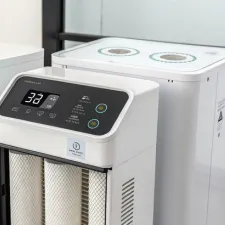
Automatic Dust Removal for Continuous Air Purity
Manual cleaning of filters can lead to maintenance downtime, reduced system efficiency, and increased labor costs—especially in industrial air filtration, HVAC systems, or dust-prone environments. That’s why Trueair offers advanced self-cleaning filters that ensure continuous filtration while automatically removing accumulated dust and particles.
Designed with mechanisms like pulse-jet cleaning, mechanical shaking, or reverse airflow, our self-cleaning filters eliminate clogging and maintain peak airflow—without interrupting operations.
How Do Self-Cleaning Filters Work?
| Cleaning Method | Description |
| Reverse Air Flow | Blows air backward through the filter media to dislodge and remove accumulated dust and debris. |
| Pulse-Jet Compressed Air Cleaning | Uses short bursts of compressed air to shake off dust, commonly used in baghouse systems. |
| Rotary Scraper or Mechanical Agitators | Mechanically scrapes the filter surface to clear buildup without removing the filter. |
| Backflushing with Water or Air | Reverses fluid or air flow to wash away collected particles, ideal for liquid/air filtration. |
| Timed/Differential Pressure-Based Cleaning Cycles | Automated cleaning triggered by set time intervals or pressure drop across the filter. |
Applications of Self-Cleaning Filters
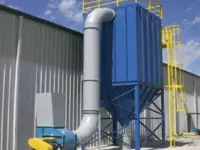
Industrial Dust Collection Units
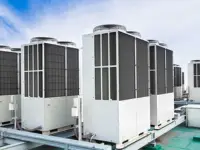
Commercial HVAC Systems
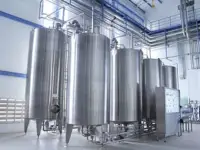
Grain Processing & Food Industries

Automotive Paint Booths
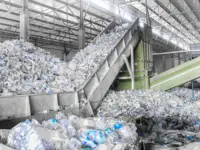
Waste Processing & Recycling Plants
Key Features of Trueair Self-Cleaning Filters
| Feature | Description |
| Filter Media | Synthetic, HEPA, metal mesh, PTFE membrane (as per need) |
| Cleaning Method | Pulse-jet, reverse air, shaker, or mechanical agitator |
| Automation | Timer-based or pressure differential control |
| Dust Collection | Integrated hopper or outlet for removed particulates |
| Construction | Galvanized steel, stainless steel, or aluminum frame |
| Maintenance | Minimal manual intervention – up to 80% reduction in labor |
Advantages of Using Self Cleaning Filters
Reduces downtime and labor costs by eliminating the need for frequent manual filter cleaning.
Maintains consistent filtration efficiency for reliable performance in demanding operations.
Extends filter lifespan by two to three times compared to conventional filters.
Performs effectively in high-volume, high-dust industrial environments without clogging.
Helps meet air quality and emissions regulations for workplace and environmental safety.
Offers modular designs that can be retrofitted into existing air handling or filtration systems.
Why Choose Trueair for Self-Cleaning Filtration Systems?
01
Custom Engineering for Industry-Specific Needs
02
High Dust Load Tolerance & Auto Recovery
03
Smart Controls with Pressure Drop Monitoring
04
Integration into Centralized or Standalone Systems
05
Pan-India Manufacturing, Supply & Installation Support
FAQs – Self Cleaning Filters
What’s the difference between manual and self-cleaning filters?
Manual filters need regular physical removal and cleaning. Self-cleaning filters automatically remove dust using air pulses or agitators, reducing downtime and labor.
Are these suitable for high dust environments like cement plants?
Absolutely. Trueair’s pulse-jet or rotary self-cleaning filters are engineered for dusty zones like cement, steel, and mineral processing.
How is the cleaning initiated?
Cleaning can be triggered via timers or when a pressure differential threshold is crossed, ensuring optimal performance.
Can self-cleaning filters be retrofitted to existing HVAC or duct systems?
Yes. We offer modular units and retrofit kits suitable for most commercial and industrial setups.
Do these require compressed air?
Only pulse-jet systems require compressed air. Other mechanisms use motorized scrapers or reverse airflow.